
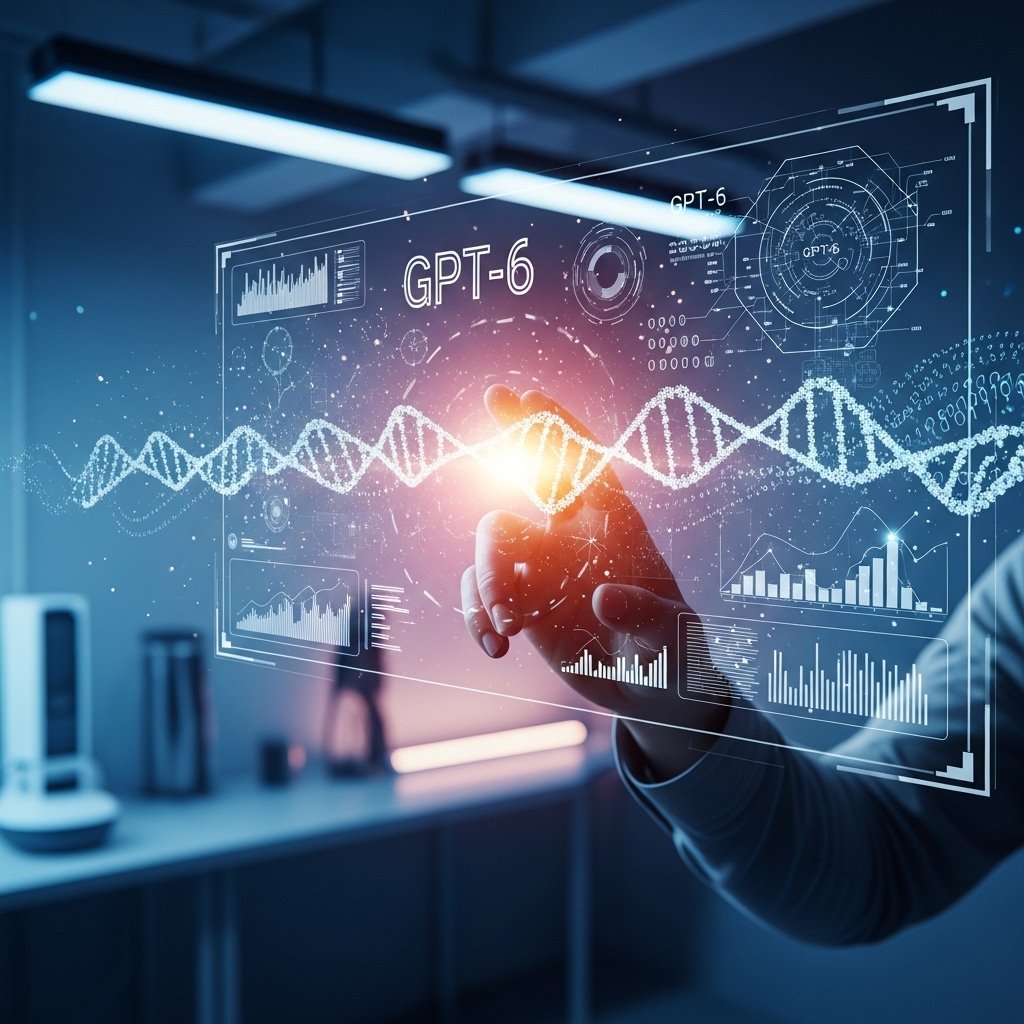
The rapid evolution of Artificial Intelligence has reached a tipping point that few predicted just five years ago. While the early 2020s were defined by the simple chat interfaces of GPT-3 and GPT-4, the arrival of GPT-6 in early 2026 has fundamentally shifted the boundary between human intuition and machine processing. We are no longer just talking to computers; we are collaborating with autonomous digital entities that understand context, emotion, and complex problem-solving better than ever before.
The Shift from Generative to Agentic AI
The most significant change in 2026 is the transition from generative AI to agentic AI. Previous models were reactive—they waited for a prompt to generate text or an image. GPT-6, however, operates as an active agent. It does not just suggest a travel itinerary; it checks your calendar, negotiates prices with airlines, manages your bookings, and updates your colleagues, all without needing a specific command for each step.
This autonomy is powered by a massive leap in reasoning capabilities. By utilizing advanced neural architectures that mimic the human brain’s pre-frontal cortex, these models can now “think” before they speak, simulating millions of outcomes to provide the most logical and ethical solution to any given problem.
Integration into the Physical World
Perhaps the most visible impact of AI in 2026 is its integration into the physical environment. Through the Internet of Things (IoT), GPT-6 has become the operating system for modern life. Smart cities now use these models to manage traffic flow in real-time, reducing congestion by nearly 40 percent in major urban centers. In healthcare, AI-driven diagnostic tools are now capable of identifying rare diseases from simple biometric data with an accuracy rate that rivals senior medical specialists.
The concept of a “Personal AI Assistant” has evolved into a “Digital Twin.” This twin learns your preferences, your work style, and even your health needs, acting as a shield against digital noise and a catalyst for personal productivity.
The Ethical Frontier and Human Synergy
As we embrace this new era, the conversation has shifted from “Will AI replace us?” to “How far can we go together?” The focus in 2026 is on human-AI synergy. While the machine handles data processing and repetitive logic, the value of human creativity, empathy, and moral judgment has increased.
However, this progress comes with challenges. The digital divide and data privacy remain at the forefront of global policy. Ensuring that GPT-6 remains a tool for collective progress rather than a source of misinformation is the defining struggle of this decade. Governments and tech leaders are now implementing “Biological Veracity Protocols” to distinguish between human-generated and AI-generated content in the public sphere.
Conclusion: A New Chapter for Humanity
We are standing at the threshold of a new civilization. The technology behind GPT-6 is not just another software update; it is a fundamental redesign of how we interact with information and each other. As we navigate through 2026, the success of our society will depend on our ability to integrate these powerful tools with wisdom and responsibility. The future is no longer a distant concept—it is being written in real-time by the algorithms we have created.