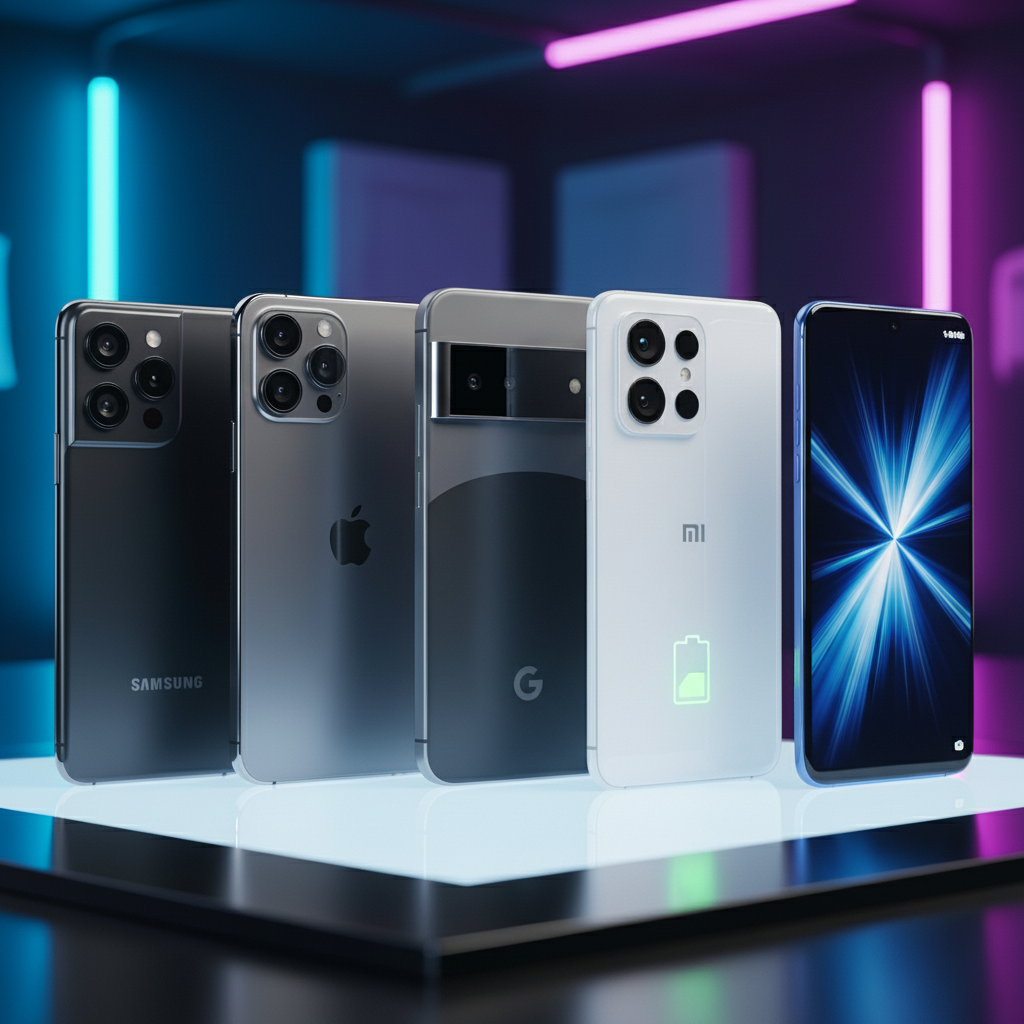

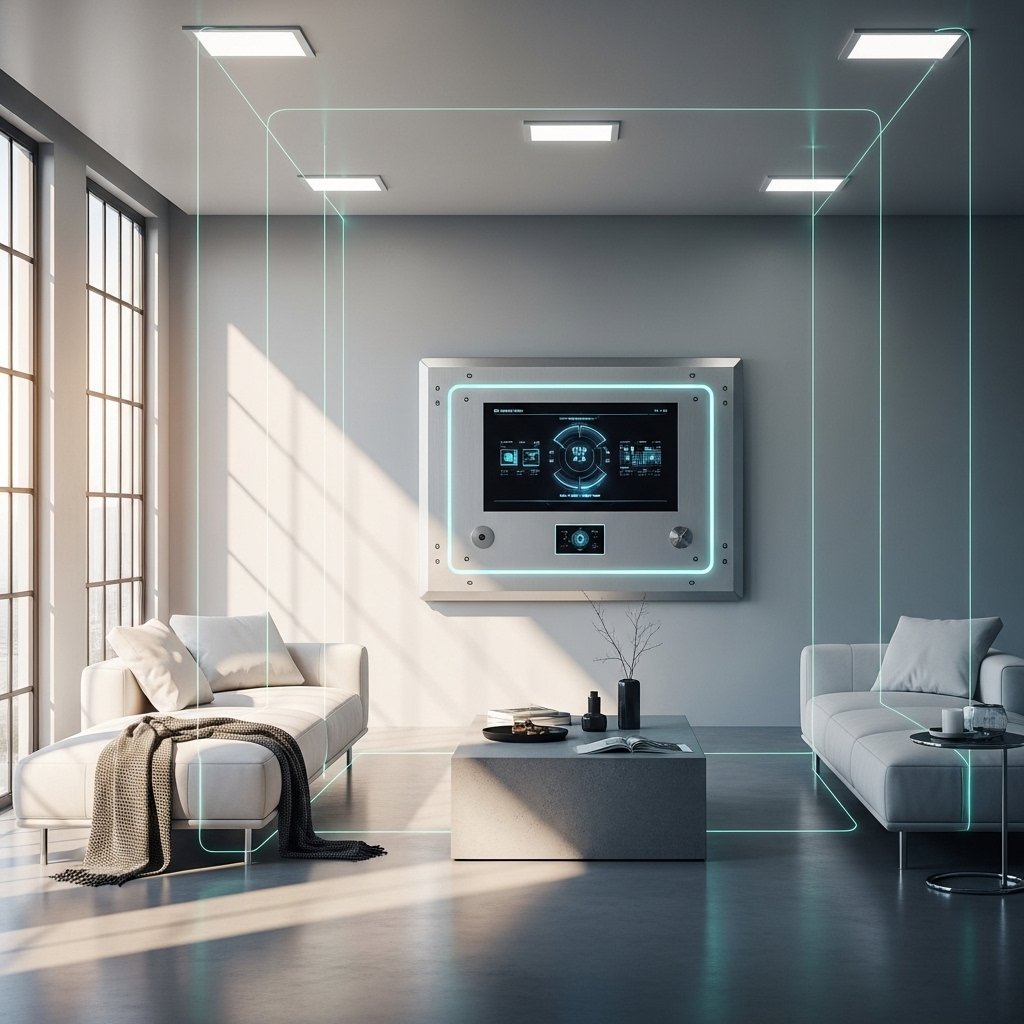
The concept of a “Smart Home” has traveled a long journey from simple remote-controlled light bulbs to the fully integrated, autonomous ecosystems we see in 2026. We are no longer in the era where a user has to manually program a thermostat or yell commands at a voice assistant. Today, the home has become an intuitive partner that anticipates human needs, manages energy consumption, and provides a level of security that was once only available to high-tech government facilities.
From Voice Control to Ambient Intelligence
In the early 2020s, smart homes relied heavily on user input—whether through an app or a voice command. In 2026, the industry has shifted toward “Ambient Intelligence.” This technology uses a network of low-power sensors and edge computing to monitor the environment without the need for cameras or invasive microphones.
By analyzing patterns in movement, sound, and even the CO2 levels in a room, the autonomous home knows when you are sleeping, working, or exercising. It adjusts the lighting spectrum to support your circadian rhythm, shifting to warm amber tones in the evening to promote melatonin production and bright blue-enriched light in the morning to boost alertness. This is not just convenience; it is a fundamental improvement in human health and well-being.
The Kitchen of 2026: Health and Sustainability
The kitchen remains the heart of the home, but in 2026, it serves as a personal nutritionist. Modern smart refrigerators are equipped with multi-spectral cameras that not only track expiration dates but also analyze the nutritional density of your food. Integrated with your wearable health devices, the kitchen can suggest recipes based on your current physical state—perhaps a meal high in magnesium if your sensors detect high stress levels, or a protein-rich recovery shake after a heavy workout.
Sustainability is the second pillar of the modern kitchen. Autonomous waste management systems now sort recyclables from compostables automatically, and “Hydroponic Wall Gardens” integrated into the kitchen cabinets allow families to grow their own herbs and leafy greens year-round using 90% less water than traditional farming.
Energy Independence and the Smart Grid
With the global shift toward green energy, the smart home of 2026 acts as a micro-power plant. Most modern homes are now outfitted with transparent solar windows and high-capacity solid-state battery storage. The home’s AI manages the “Energy Budget” in real-time. It charges the family’s electric vehicle and runs high-energy appliances (like dishwashers) during off-peak hours when electricity is cheapest or when solar production is at its peak.
During periods of high demand on the national grid, millions of these smart homes can feed excess power back into the system, creating a decentralized “Virtual Power Plant.” This technology has made large-scale blackouts a thing of the past in many developed smart cities.
Security in the Age of AI
Security has evolved from simple cameras to proactive defense. In 2026, smart home security systems use “Lidar” and “Acoustic Signature” technology to distinguish between a family pet, a falling branch, and a genuine intruder. If an unrecognized person is detected on the property, the system doesn’t just record it—it can initiate a “Active Deterrence” protocol, using directional lighting and localized sound to discourage the intruder while simultaneously notifying the owner and local authorities with a 3D map of the situation.
Conclusion: The Home as a Service
As we look deeper into 2026, the home is no longer just a physical structure; it is a service that provides comfort, health, and safety. The integration of AI and IoT has turned our living spaces into protective bubbles that shield us from the complexities of the outside world. For the readers of OviTech, the message is clear: the future of living is not about owning more gadgets, but about living in an environment that understands and cares for you.