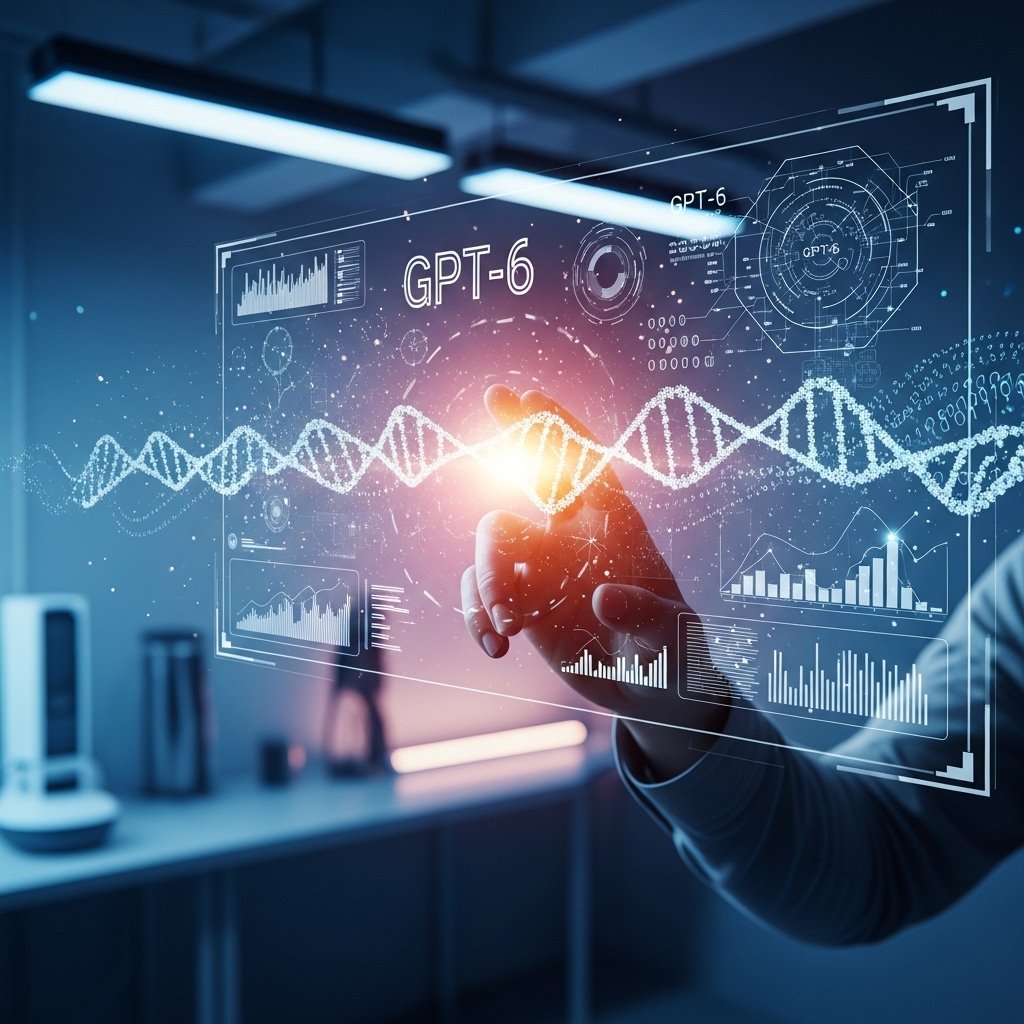

For centuries, the human lifespan has been seen as a fixed timeline—a slow decline from youth into old age. However, in 2026, the scientific community has officially shifted its perspective: aging is no longer viewed as an inevitable fate, but as a biological condition that can be managed, slowed, and in some cases, reversed. This revolution, known as “Longevity Science,” is combining artificial intelligence, genetic engineering, and advanced wearable tech to help humans live healthier, more active lives well past the age of 100.
The Rise of the “Digital Twin” in Healthcare
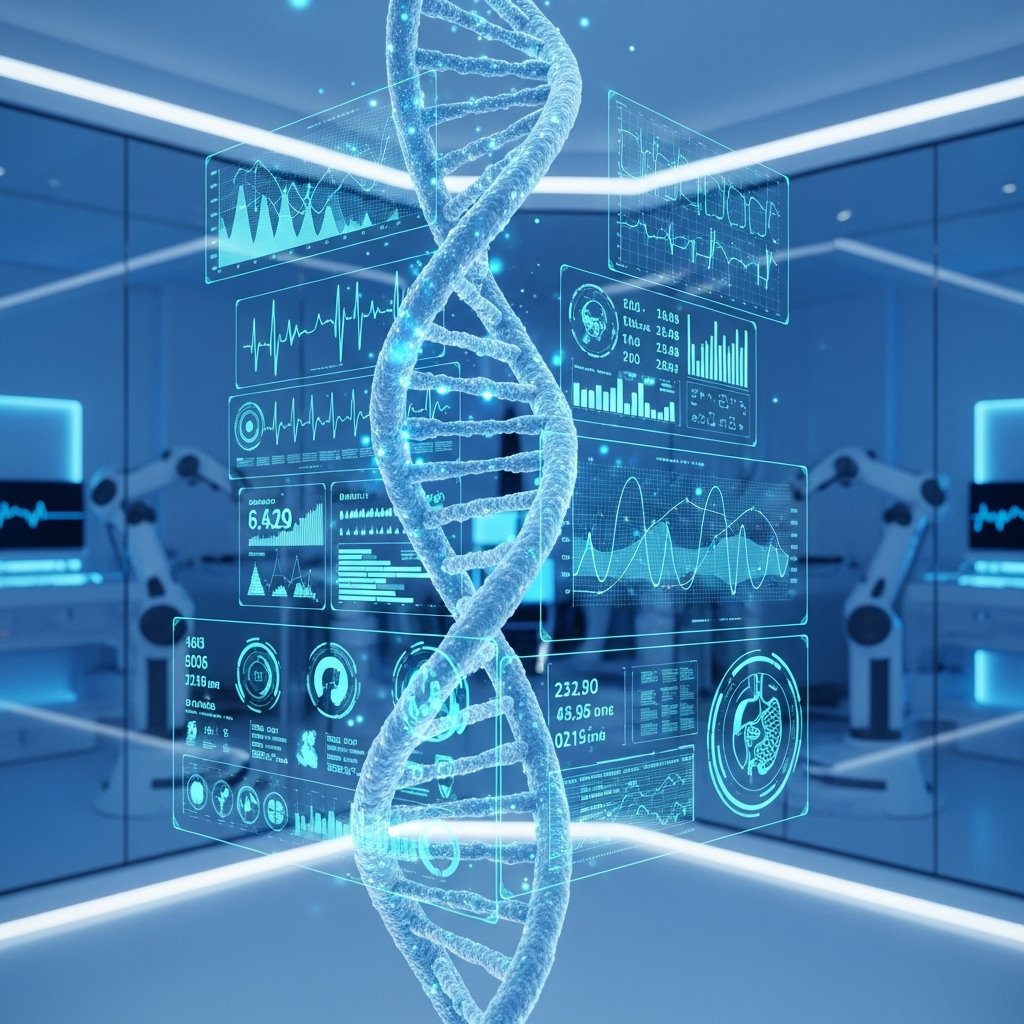
One of the most transformative technologies of 2026 is the creation of a “Digital Twin” for personal health. By integrating data from continuous glucose monitors, smart rings, and even implanted biosensors, AI platforms can now create a real-time digital replica of your internal biology.
This digital twin allows doctors to simulate the effects of different diets, medications, or exercise routines on your specific body before you actually try them. If the AI detects a slight inflammation in your cardiovascular system, it can suggest immediate lifestyle changes weeks before a traditional blood test would show any symptoms. This move from “Reactive Medicine” (treating sickness) to “Proactive Longevity” (preserving health) is the foundation of the modern biotech era.
Cellular Regeneration and Senolytics
At the cellular level, 2026 has seen a breakthrough in “Senolytic” therapies. As we age, our bodies accumulate “zombie cells”—cells that have stopped dividing but refuse to die, causing chronic inflammation and damaging healthy tissues. New senolytic treatments are now capable of selectively identifying and removing these zombie cells, effectively “cleaning” the body’s internal environment.
Furthermore, CRISPR-based gene editing is being used in clinical trials to switch off the genes responsible for hereditary diseases. We are also seeing the first successful applications of “Epigenetic Reprogramming,” where specialized proteins are used to reset the biological clock of damaged skin or muscle tissues, making them function as they did decades earlier.
Bio-Hacking: The Mainstream Revolution
What was once a niche hobby for tech billionaires in Silicon Valley has become a mainstream lifestyle in 2026. Bio-hacking—the practice of using science and technology to “hack” your own biology—is now accessible to the general public. From “Nootropics” that enhance cognitive focus to “Red Light Therapy” for mitochondrial health, people are taking control of their biological destiny.
Wearable technology has also evolved. The smartwatches of 2026 no longer just count steps; they monitor your “Biological Age” versus your “Chronological Age.” They provide real-time feedback on how your last meal or your sleep quality impacted your cellular recovery, giving the user a direct “dashboard” for their life.
The Ethical and Social Implications
As we unlock the secrets to living longer, society is facing new questions. If humans can live to 120 or 150 years, what does that mean for retirement, career paths, and global population? In 2026, governments are already debating “Longevity Policies” to ensure that these life-extending technologies are accessible to everyone, not just the wealthy. There is also a growing movement for “Quality of Life” over mere “Length of Life,” ensuring that those extra years are spent in peak physical and mental condition.
Conclusion: Writing the Next Chapter of Humanity
We are living through the most significant medical shift in human history. The tools of 2026 are giving us the power to rewrite our genetic code and optimize our physical existence. For the OviTech community, the message is clear: the future is not just about the gadgets we hold in our hands, but the very cells that make up our bodies. We are the first generation that has the chance to choose how—and for how long—we want to live.